

What is occupational health? In simple terms, it is a specialist area of healthcare that focuses on the relationship between work and health. It helps employers protect staff from work-related illness while supporting employees whose physical or mental health may affect their ability to work safely.
Occupational health can include workplace assessments, health surveillance, return-to-work advice, fitness-for-work checks and recommendations for reasonable adjustments. It does not replace a GP. Instead, it focuses specifically on how health and employment affect one another.
What Is Occupational Health?
Occupational health looks at two main questions: Can work affect a person’s health, and can a person’s health affect their ability to work? Professionals in this field provide advice on both areas. Their role may include assessing workplace risks, reviewing medical concerns and helping employers understand what support an employee may need.
The Health and Safety Executive explains that employers have duties to protect workers from risks that could harm their physical or mental health. Occupational health services can support employers in meeting these responsibilities while helping employees remain safe and productive at work.
Why It Matters
Occupational health matters because many health problems can be linked to workplace conditions. These may include hearing damage, breathing problems, repetitive strain injuries, back pain, stress, fatigue or exposure to harmful substances.
Early support can prevent minor concerns from becoming more serious. It can also help employers identify where workplace controls need improvement, particularly when staff perform physically demanding or higher-risk roles.
What Services Are Included?
Occupational health services vary between organisations, but they usually focus on workplace health rather than general medical treatment. Common services include health assessments, sickness absence support, fitness-for-work advice, workplace risk reviews and health surveillance.
Some employers use an internal occupational health team, while others hire an external provider. The service offered should reflect the type of work, workplace risks and needs of employees.
Occupational Health Assessments
An occupational health assessment looks at how an employee’s medical condition affects their work. The professional may ask about symptoms, treatment, working hours, job duties and any activities that cause difficulty.
The assessment can result in recommendations such as temporary changes to duties, reduced working hours, specialist equipment or a phased return. These recommendations help employers make more informed workplace decisions.
When Is a Referral Needed?
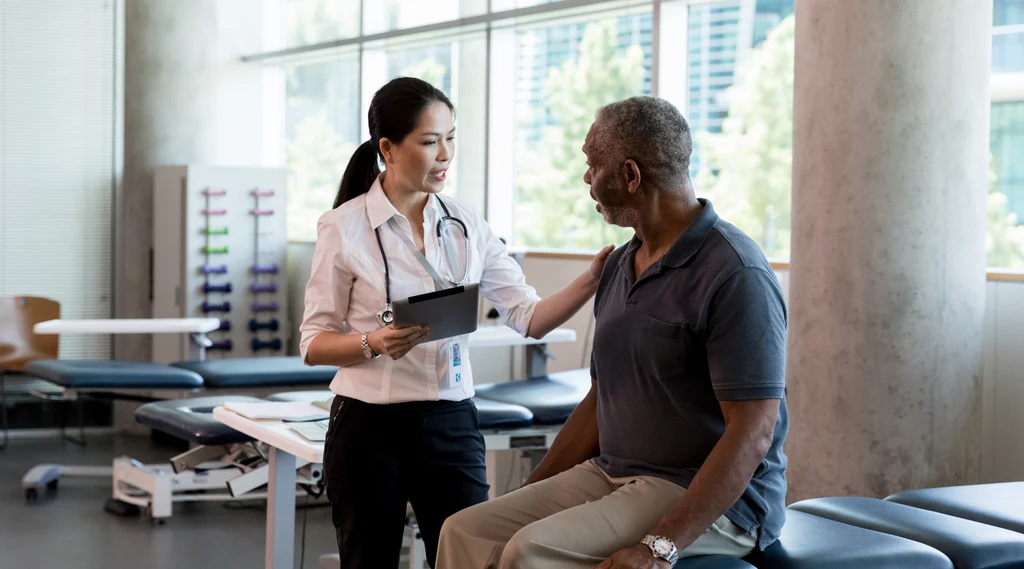
Employees may be referred to occupational health for several reasons. Common situations include long-term sickness absence, repeated absence, recovery after surgery, workplace injuries, mental health concerns or uncertainty about fitness for a particular role.
A referral does not necessarily mean something is seriously wrong. In many cases, it is simply a practical way to obtain professional medical advice about work.
Health Surveillance
Health surveillance is used when employees are exposed to certain workplace hazards. It involves repeated health checks designed to detect early signs of illness caused by work.
For example, workers exposed to excessive noise may need hearing checks, while employees handling hazardous substances may require other forms of monitoring. Health surveillance should complement proper risk controls rather than replace them.
Returning to Work
Occupational health can be particularly helpful when someone returns after illness or injury. Returning immediately to full duties may not always be appropriate.
A professional may recommend a phased return, reduced hours or temporary changes to tasks. These arrangements can give employees time to rebuild their strength while reducing the risk of further absence or worsening symptoms.
Workplace Adjustments
Some employees may need changes to their working environment or duties because of a health condition or disability. Occupational health can recommend suitable adjustments based on the person’s needs.
Examples include ergonomic chairs, different working hours, additional breaks, reduced lifting, flexible working arrangements or changes to the employee’s workstation. Adjustments should be practical and appropriate for the individual situation.
Mental Health Support
Occupational health also covers mental wellbeing. Workplace stress, anxiety, depression, burnout and other concerns can affect attendance and performance.
An occupational health professional may consider whether work is contributing to the problem and recommend suitable support. Possible measures include workload changes, flexible hours, regular management meetings or a gradual return following a period of mental health-related absence.
Occupational Health and HR
Occupational health and HR often work together, but their roles are different. HR manages employment matters, while occupational health provides professional medical advice related to work.
For example, HR may refer an employee for an assessment. Occupational health may then recommend certain adjustments. Management and HR can use that medical advice when deciding how best to support the employee within the workplace.
Is It Confidential?
Occupational health information is generally handled confidentially. Employees should not assume that their employer automatically receives their full medical history.
Instead, occupational health reports normally focus on information relevant to work, such as whether the person is fit for certain duties or would benefit from adjustments. Medical records and sensitive health information should be handled carefully and in line with relevant confidentiality requirements.
Occupational Health for Employers
Employers use occupational health to understand workplace health risks and make informed decisions about employees who need medical support.
A good service can help with sickness absence, rehabilitation, health surveillance, workplace assessments and fitness-for-work decisions. It can also help employers recognise patterns of work-related illness and improve existing health and safety measures where necessary.
Occupational Health for Workers
For workers, occupational health provides an opportunity to explain how a medical condition affects everyday job duties. The focus is usually practical rather than simply medical.
An employee might explain difficulties with lifting, standing, concentration, shift work or sitting for long periods. The occupational health professional can then recommend changes that may make working safer and more manageable.
Fitness for Work
Some jobs require employees to be medically fit for specific tasks. This can be especially important in safety-sensitive roles involving machinery, driving, hazardous substances or demanding physical work.
A fitness-for-work assessment may confirm that an employee can continue normally, needs temporary restrictions or requires adjustments. The aim is to protect both the individual and other people in the workplace.
Who Provides the Service?
Occupational health services can involve several types of healthcare professionals. These may include occupational health doctors, nurses, physiotherapists, counsellors, psychologists and ergonomics specialists.
The type of professional needed depends on the workplace issue. Some industries also require specialist medical surveillance because employees work with particular hazards or substances covered by health and safety regulations.
Benefits of Occupational Health
Good occupational health can benefit both employees and employers. It supports earlier intervention, safer working practices and more effective return-to-work planning.
For workers, it can make health problems easier to manage while remaining employed. For employers, it provides specialist guidance that can improve workplace safety, reduce preventable absence and support better decisions about employee health.
Final Thoughts
Understanding what is occupational health is important for both employers and workers. It is not simply about medical checks or sickness absence. Its wider purpose is to protect health, identify workplace risks and support people when medical conditions affect their jobs.
When used properly, occupational health can help create a safer workplace where employees receive appropriate support and employers make decisions based on professional medical advice.
FAQs
What is occupational health in simple words?
Occupational health focuses on how work affects a person’s physical and mental health, and how a health condition may affect their ability to do their job safely.
Why would an employer refer someone to occupational health?
An employer may make a referral because of long-term sickness, repeated absences, an injury, mental health concerns, or questions about whether workplace adjustments are needed.
Is occupational health confidential?
Yes. Occupational health information is normally handled confidentially. Employers usually receive relevant work-related recommendations rather than an employee’s complete medical history.
Can occupational health recommend time off work?
Yes. An occupational health professional may recommend additional recovery time, reduced duties or a phased return if they believe these measures would support the employee’s health.
Can occupational health suggest workplace adjustments?
Yes. Recommendations may include flexible hours, ergonomic equipment, lighter duties, extra breaks or temporary changes to responsibilities depending on the employee’s condition.